Fire safety in schools: 5 critical checks for the new term
As the Autumn term approaches, now is the time for schools, colleges and academies to carry out essential fire safety checks. With students and staff returning to site, ensuring that fire protection systems are in full working order is vital, not only for safety and compliance, but for peace of mind. At ECS, we support […]
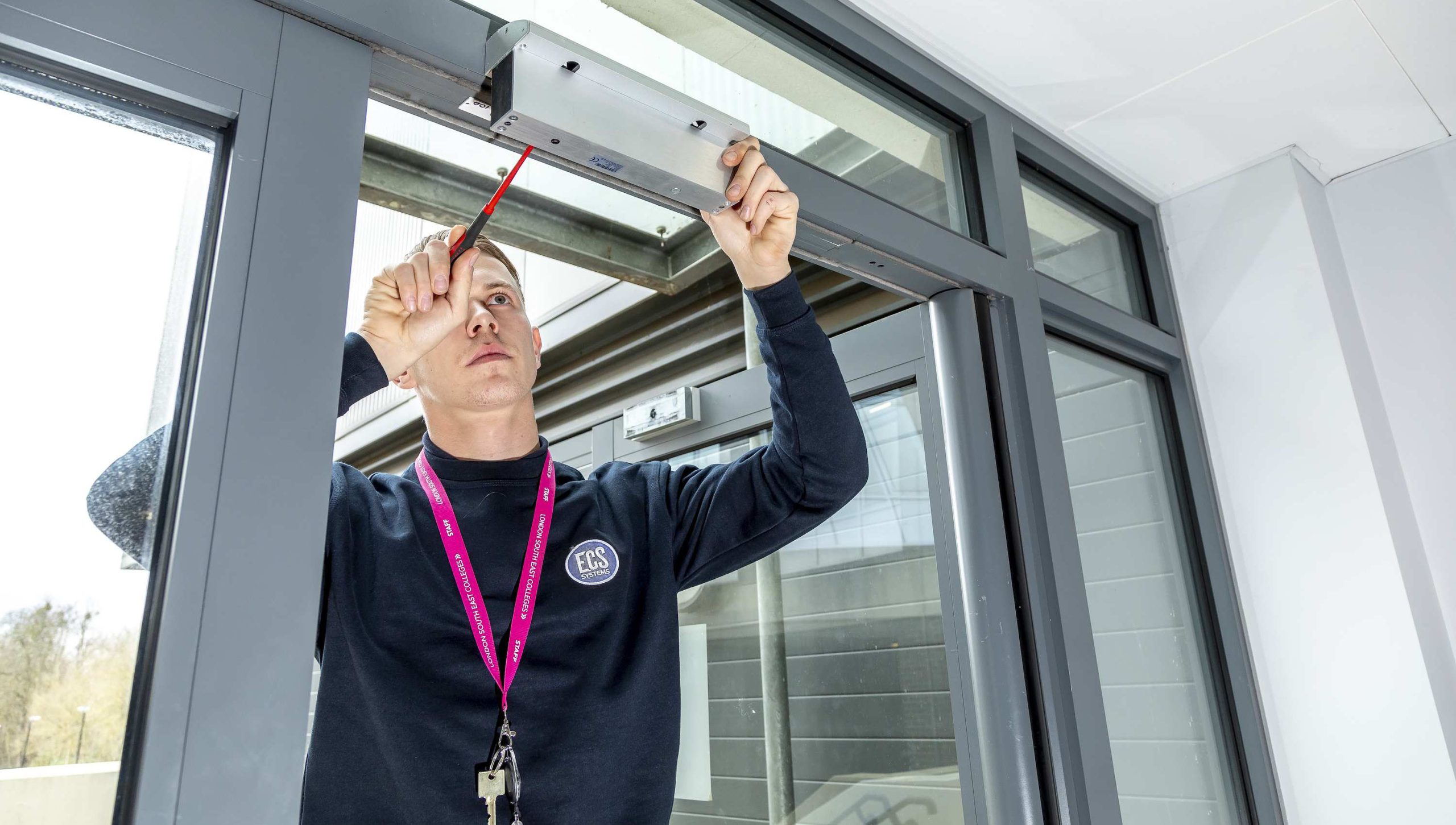
As the Autumn term approaches, now is the time for schools, colleges and academies to carry out essential fire safety checks. With students and staff returning to site, ensuring that fire protection systems are in full working order is vital, not only for safety and compliance, but for peace of mind.
At ECS, we support educational settings of all sizes across London and the South East, delivering fully compliant fire safety solutions that are tailored to each environment. From routine maintenance and inspections to complete system upgrades, we help schools meet their legal responsibilities while protecting pupils, staff and property.
Here are five key fire safety checks every education provider should carry out ahead of the new term:
1. Fire alarm systems A compliant alarm system forms the backbone of your fire safety provision and should be regularly serviced to ensure rapid detection in the event of an incident. All systems should be tested, free from faults and maintained in line with current standards.
2. Emergency lighting If a fire causes a power failure, emergency lighting must activate immediately to illuminate escape routes and enable safe evacuation. It should be tested routinely to confirm full functionality and correct positioning throughout the premises.
3. Fire extinguishers Extinguishers must be located correctly, clearly visible and free from obstruction. They should be suitable for the environment, appropriately signed, and serviced on schedule. Staff should also be confident in their use and understand the types of extinguisher available.
4. Escape routes and fire exits Routes must remain clear, accessible and properly signed at all times. Exits should open easily in the direction of escape and lead directly to a safe area. Regular inspections help ensure nothing is blocking or compromising these critical paths.
5. Fire doors and compartmentation Fire doors play a critical role in slowing the spread of fire and smoke, providing essential time for safe evacuation. Regular checks should be carried out to ensure doors close fully and aren’t propped open or damaged. Staff training is also key; ensure everyone understands their responsibility in maintaining these fire safety barriers.
Whether you’re responsible for a small primary school or a large multi-site trust, ECS Systems can help you stay compliant. Our expert engineers are fully trained, highly experienced, and responsive when it matters most.
If you need advice, a one-off inspection or an ongoing maintenance plan, get in touch with our team today.
Related Articles
What the Education Estates Strategy Means for Automated Gate Maintenance on School and College Sites
The Department for Education’s Education Estates Strategy represents an important shift in the way schools, academies, colleges and responsible bodies are expected to manage their buildings, grounds and wider education estate. While much of the discussion around education estates focuses on classrooms, roofs, heating systems, drainage, accessibility, energy use and building condition, the wider school […]
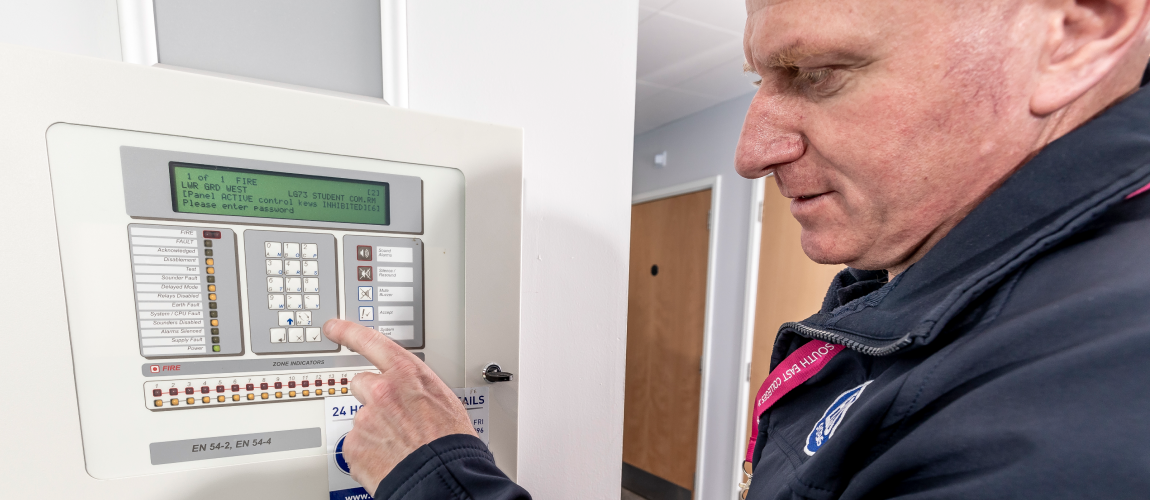
How Often Should Fire Alarms Be Tested in Schools and Colleges
In schools and colleges, fire alarm testing is not something that can be left to good intentions or occasional reminders. Educational buildings are busy, high-occupancy environments with changing room use, large numbers of pupils or students, visiting parents and contractors, and regular movement throughout the day. If a fire alarm system is not checked routinely, […]
Access Control for Schools: How Salto Improves Safeguarding
Safeguarding in education is no longer limited to policies, training, and pastoral support. It also depends on the physical environment. Schools and colleges need to know who is on site, which areas they can reach, and how quickly staff can respond when access needs to be restricted, adjusted, or reviewed. That is why access control […]